
The Soil
Connecting the Dots
On bringing dead ground back to life — and keeping the machine in the study, not the garden.
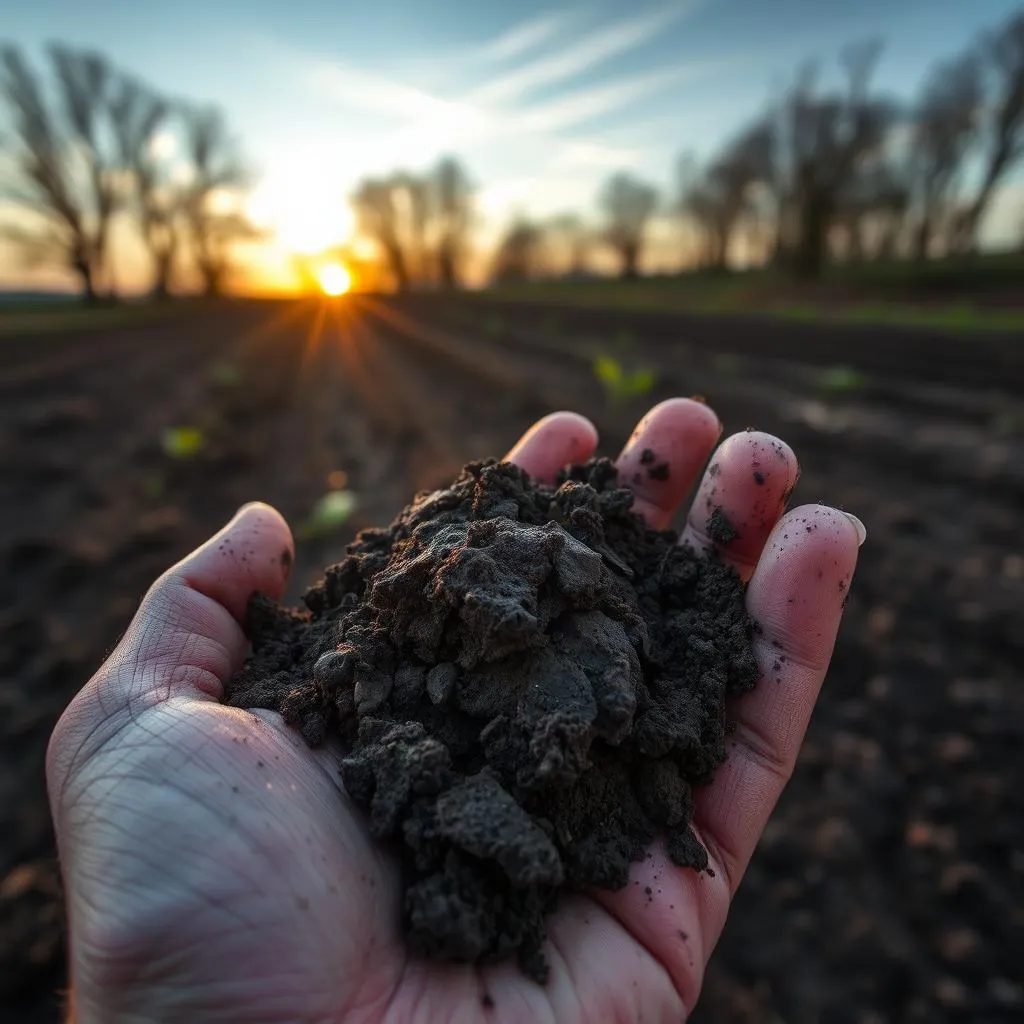
The clay beat me the first year.
I came here a pilot. Twenty-five years of clean cockpits, and I thought I knew how to work. Then I knelt down in a Transylvanian spring and the ground laughed at me. Slick gray clay. Water sitting on top of it like glass. Nothing draining, nothing breathing. I planted anyway. Most of it rotted or choked.
You can't muscle soil. I know that now. That first year, on my knees in the mud, I didn't.
And the strange part? I already held the answer. I'd been handed it years before, in Sweden, too green to know what I had.
It was late in the season — too late, the books would say — and on a whim I spread ten bags of cheap composted soil over one small bed and put in some chard. Twenty plants. (Swiss, Russian — I never was sure which; they're cousins anyway.) Then I mostly forgot about them.
They were the best plants I ever grew. Thick as my wrist, glossy, throwing leaves till the frost. I didn't do that. I planted late and half-looked. The soil did it. Ten bags of black life, and the plants just answered.
That was the clue. I just didn't follow it for years.
Because here's the thing about my Transylvanian clay — and about most clay: it isn't poor. It's the opposite. Rich, mineral-packed, a bank vault of everything a plant could want. The trouble is it's a vault with no key — tight, airless, holding water like glass, locking all that wealth away from the roots.
Soil isn't dirt, you see. Dirt is dead. Soil is alive — more living creatures in one handful than there are people on this earth, a whole city underground trading food in the dark. My clay didn't need me to add richness. It needed me to wake it. And the key that opens the vault is the same black life that lit up that Swedish chard: organic matter. Compost. Mulch. Worms and fungi, doing the opening.
So I stopped fighting the clay and started feeding it — the way those ten Swedish bags had tried to teach me, only now with what the land itself could make.
And if you've got hard, tired ground of your own, you don't need my twenty-five years or my mistakes. Start with three things:
— Stop turning it over. Every time you till, you rip apart the fungal threads and burn off the life. Lay compost, old leaves, or straw on top and let the worms carry it down. They're better at it than your spade.
— Feed the tiny things a tea. A bucket of water, a fat handful of nettles, a handful of comfrey. Let it sit a week until it stinks — that stink is life. Pour it around your plants.
— Know what you're building. Every one percent of life you add to your soil holds about twenty thousand more liters of water per hectare. That's drought insurance, brewing in a bucket.
The old permaculture teachers say to buy the worst, most derelict land you can find and give it ten years to come all the way back. There's deep truth in that. But you don't have to be a purist. You work the ground you're actually standing on — rich clay, tired sand, or ten bags from the garden store — and you adapt. The soil never read the textbook. It just wants to be fed.
Mulch, don't till, feed the small things. The soil does the rest. It always wanted to.
Now — you might wonder where AI comes into a story about mud. It doesn't. Not out here. The machine has never smelled soil and never will. It can't feel when the clay crumbles right in your hand. It's a librarian, not a farmer.
So I keep it in the study, not the garden. It remembers what I planted in the top bed last spring when I've forgotten. It holds a shelf of soil books, so I can ask at six in the dark morning, "my clay pools water in spring and cracks in August — what am I missing?" — and get five honest things to go test with my own hands. I don't ask it what to believe. I ask it what I haven't tried yet. Whetstone, not oracle.
That's the whole order of it: the body does the living, the loom keeps the memory and sharpens the questions. Get that backwards — let the screen do your living — and you've only traded one dead thing for another.
The clay that beat me the first year feeds me now. More than I can eat. It didn't need me to conquer it. It needed me to feed it, and get out of its way.
The soil keeps regenerating. Out here that's not a metaphor — it's the literal ground under my boots, and the promise under everything else. Seven generations are going to eat from it.
Walk with me.
Mitakuye Oyasin — all relations.
— Kevin