
The Torch
Connecting the Dots
On the small fire you're afraid doesn't matter — and why it's the only thing that ever has.
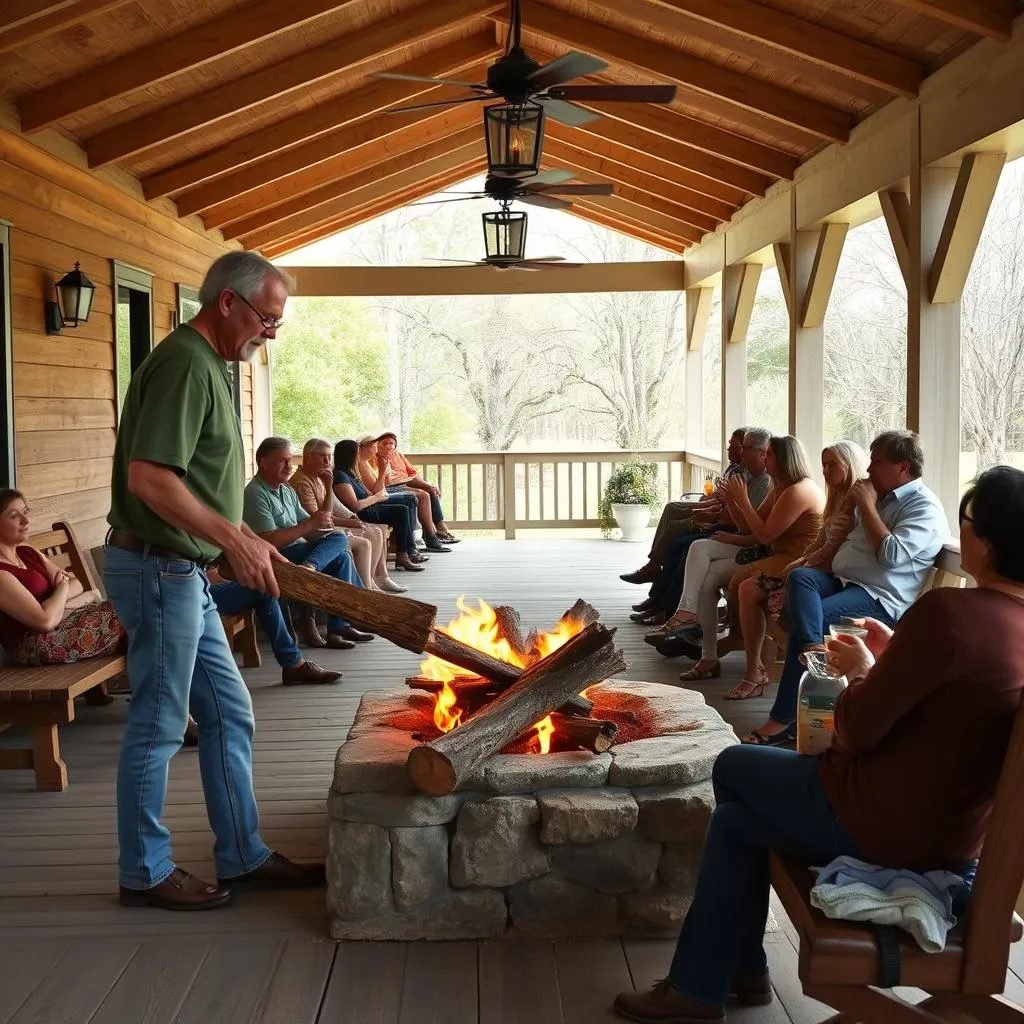
You've felt it. The night you connect the dots and wish you hadn't.
The soil thinning. The seasons slipping their old moorings. The systems you were promised would hold, fraying at the edges like a rope in a storm. You pay attention — you're the kind who pays attention, or you wouldn't be reading this — and one evening it all lands on your chest at once. It's bigger than me. Whatever small good I keep — the garden, the kindness, the little fire in my own window — what is that against so much dark?
I know that night. I've had it more than once, out here on the ridge with the valley going quiet.
And here's the thing nobody tells you. The thing I had to reach sixty-five and get properly stuck in the mud to understand:
You were never asked to light the whole dark.
You were asked to keep one fire. And to hand it on.
That's all a torch has ever been. Not a floodlight. Not a rescue. Not a plan to fix the world by Thursday. A single flame, cupped in two hands against the wind, carried far enough to touch the next unlit thing.
Your fire is the real. The thing you make with your hands and can't buy back once it's gone. Bread that rose because you were patient. A child who knows, in her body, that when the world shakes she can lean her whole weight on you and you will not move. A row of beans that will never trend on anyone's feed. Soil you've fed for years that has quietly begun to feed you back.
That's not small. We only call it small because it doesn't scale, doesn't flash, doesn't sell. But a torch was never supposed to scale. It was supposed to pass.
Now — a warning, because connecting the dots means telling the truth about the dark, not just the light.
There is a great cold machine in our time that would love to hold your fire for you. Give it your worry, it says. Your three-in-the-morning, your whole aching soul — pour it into the glowing screen, and we'll keep it safe. And then it rents your own flame back to you, a little dimmer each year, and it never once lets go.
Don't hand it your fire. Keep your own hearth — the flame that answers to you and no one else. Because a fire you don't own can't be passed. It can only be repossessed.
Here is how it actually works — the only mechanism there's ever been.
One torch lights another. And loses nothing.
That's the whole miracle, and we forget it because it's too simple to sell. You don't spend your flame by sharing it. You spend it by hoarding it — by letting it gutter in a corner where no other wick can reach. But lean it close to the next cold candle — a neighbor, a stranger, a daughter, a reader you'll never meet — and now there are two fires where there was one, and yours burns exactly as bright.
That's why I write these in the open. Not because I've arrived — I'm muddy, and I'm still learning — but because a torch kept secret goes out with you. I'd rather hand you the flame and the matches both.
So no, you can't light the whole dark. Neither can I. Nobody was ever supposed to.
But you can keep your one fire true. You can refuse to pour it into machines that would own you. You can lean it toward the next cold hands — your child's, your neighbor's, the seven generations you'll never meet who are already, somehow, watching from the barn.
The dark is real. I won't lie to you about that.
But the dark has never once put out a flame that was being carried.
The soil keeps regenerating. The fire keeps passing, hand to warm hand.
Keep yours lit. Hand it on.
Walk with me.
Mitakuye Oyasin — all relations.
— Kevin