
Wopila - Giving Thanks a Traditional Way
The early essays
Making the Circle Whole
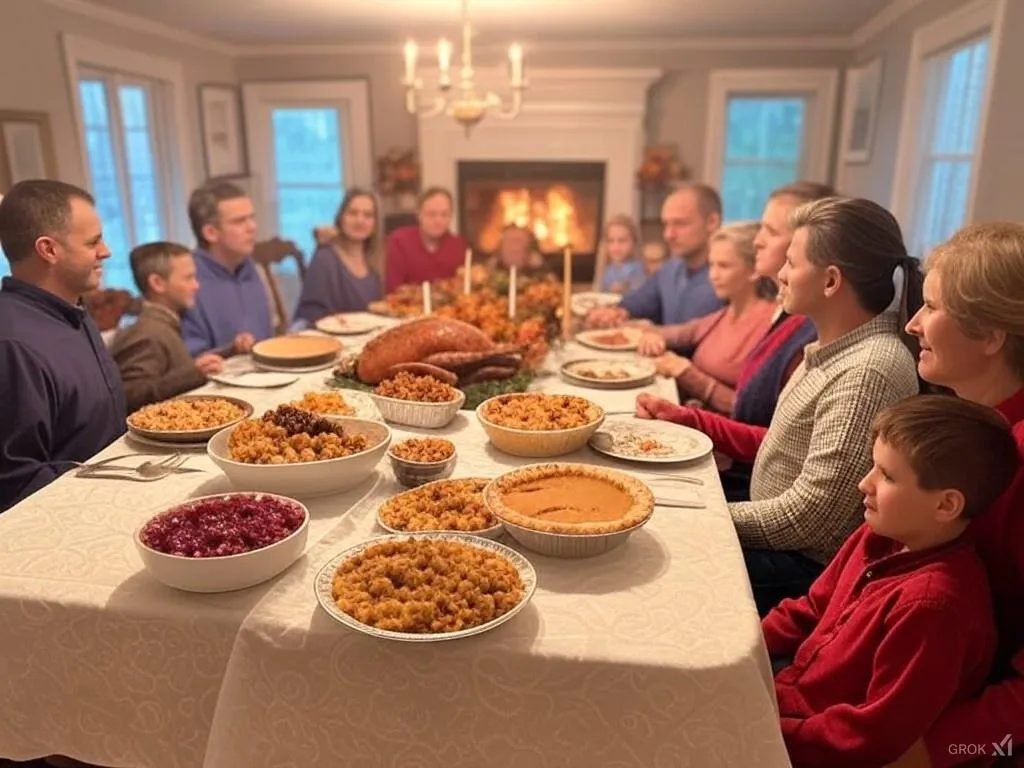
Growing up American, I am intimately familiar with our traditional Thanksgiving Weekend. It involves gathering with family and friends, indulging in copious amounts of food, and watching football on television. While there's nothing inherently wrong with such gatherings, the essence of "giving thanks" was often overshadowed by the festivities, turning the weekend more into an event of overindulgence than one of gratitude.
It wasn't until I was in my mid-30s that I was introduced to the Lakota Wopila Ceremony by Bert Rooks, a respected Lakota elder whose guidance has been pivotal in my spiritual journey. Bert explained Wopila by making a circle with his index fingers and thumbs, saying, "Giving Thanks is circular. When we give thanks, a psychic energy flows to Creation, and Creation reciprocates by giving energy back to us." He emphasized a critical point, "The problem is that most people do not pray anymore, and the circle is broken. If we don’t give thanks, we don’t receive gifts from Creation."
Bert further elaborated, "Every month, a person or family will face life's hurdles, difficulties with jobs or children, and if Wopila is performed, we will get good answers, and the circle continues." Wopila isn't just a standalone ritual; it's integral to other ceremonies like Humblaycha (the vision quest), Sundance, and healing ceremonies, reinforcing a continuous cycle of gratitude and spiritual exchange.
While living in Custer, South Dakota, not far from Bert, my family and I participated in these monthly gatherings at the Inipi Cabin. Here, several families, including Bert and his wife, would come together to celebrate Wopila. Each family had their prayers answered and new ones to offer each month. This was our way of giving back to the Spirit World.
The tradition of Wopila involves each family preparing a full meal, something special, and at Bert's insistence, the ingredients should be newly bought from the store. He taught us that "Giving Thanks or Wopila should hurt a little bit." Simply buying spaghetti and jarred sauce wouldn’t do if you had the means; it wasn't about extravagance like steak and lobster for all, but something meaningful. The excess food - each family cooked for about ten people - was redistributed among the guests, not taking home what you brought but sharing in the others' offerings of thanks. Before we ate the meal, prayer ties and a spirit plate (bits of each of the foods) were brought outside to a “sacred spot”. At the end of each ceremony, we gathered together to smoke the channunpa.
When I moved from South Dakota, I shared my intention with Bert to continue this practice with my new friends in Sweden. He recommended inviting friends over to share in the Wopila celebration. At the beginning of the meal, I would share some of the prayers I'd offered and the answers I'd received that month, embedding the spirit of gratitude into our new cultural context.
The Wopila Experience in Sweden
In Sweden, adapting Wopila wasn't just about translating the ritual but about embodying its spirit. Here's how I've made it work:
- Preparation: Each friend or family unit was encouraged to bring something special, not just for the sake of food but as an act of giving thanks. We agreed on a rotating host to keep the practice communal and reduce the burden on any single household.
- Sharing Prayers: At the start of our meal, I shared the essence of Wopila, explaining how giving thanks is not a one-way street but a cycle of energy exchange with the universe. I would share my prayers from the past month, not just for thanksgiving but for guidance, healing, or community well-being, inviting others to share theirs if they felt comfortable.
- The Meal: We ate together, sharing not just food but the stories behind the dishes, connecting through the act of preparing something special. This was our way of acknowledging the effort and love put into each dish, a physical manifestation of gratitude.
- Reflection: Post-meal, we reflected on how we might have seen or felt the reciprocity of Creation in our lives, encouraging everyone to think about what they are grateful for and what they might need to pray for in the coming month.
- Distribution: As in the traditional Wopila, the excess was shared, symbolizing the continuous flow of giving and receiving. This act wasn't just about food but about fostering a community where sharing is a form of giving thanks.
Bert's Question to You: What Do You Think?
Bert often posed this question not to seek an answer but to encourage introspection. What do you think about the practice of Wopila? How do you incorporate gratitude into your life? Does your culture or personal belief system have a practice similar to Wopila, where giving thanks is seen as part of a larger, interactive cycle with the world around you?
Conclusion
Wopila has transformed my understanding of gratitude from a passive acknowledgment to an active, reciprocal relationship with nature, community, and the unseen forces of life. It's a practice that doesn't require the trappings of any one culture but can be adapted universally as a way to deepen our connection to life's cycles, to each other, and to the essence of what it means to give and receive with an open heart.
In our fast-paced, often self-centered world, Wopila offers a pause, a moment to reflect on the interconnectedness of all things. It’s not just about the food we share but about the energy we exchange, the thanks we give, and the gifts we receive in return.
So, what do you think? How might you integrate this circle of gratitude into your life or community?
In Harmony,
Kevin
Walk with me on The Earthway. Share your journey, your balance, your light, and your shadows. Together, let's explore how our diverse paths can lead us to a unified understanding of life.
Leave your thoughts, experiences, or questions in the comments below.